Black Hat USA: Why ecosystem transparency is becoming cyber PR's biggest advantage

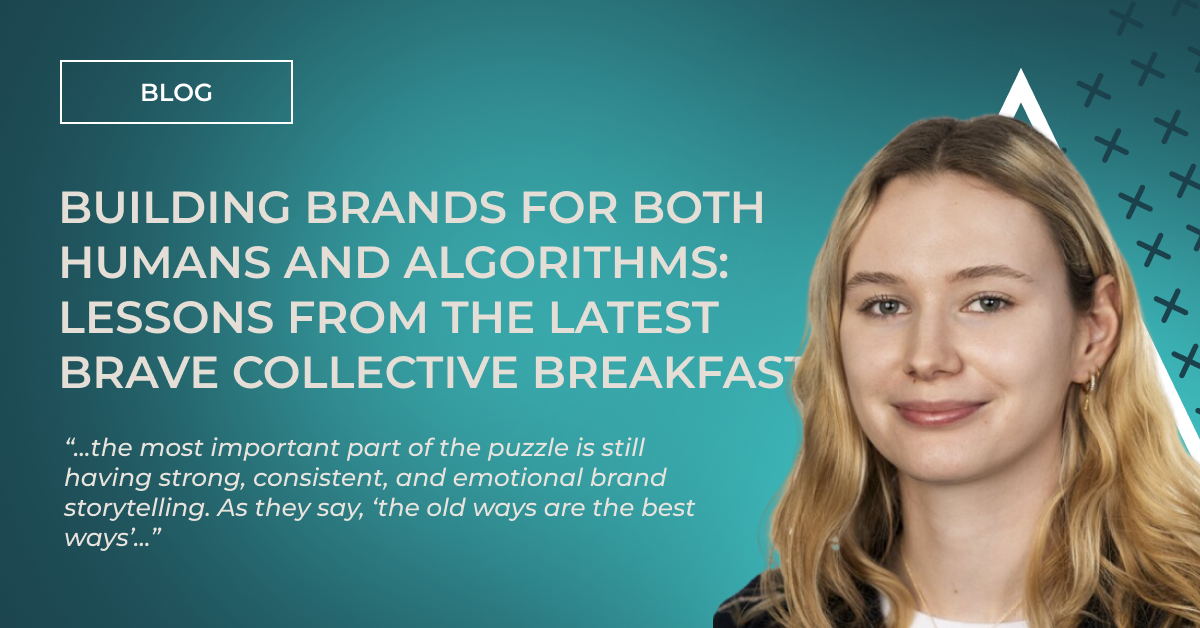
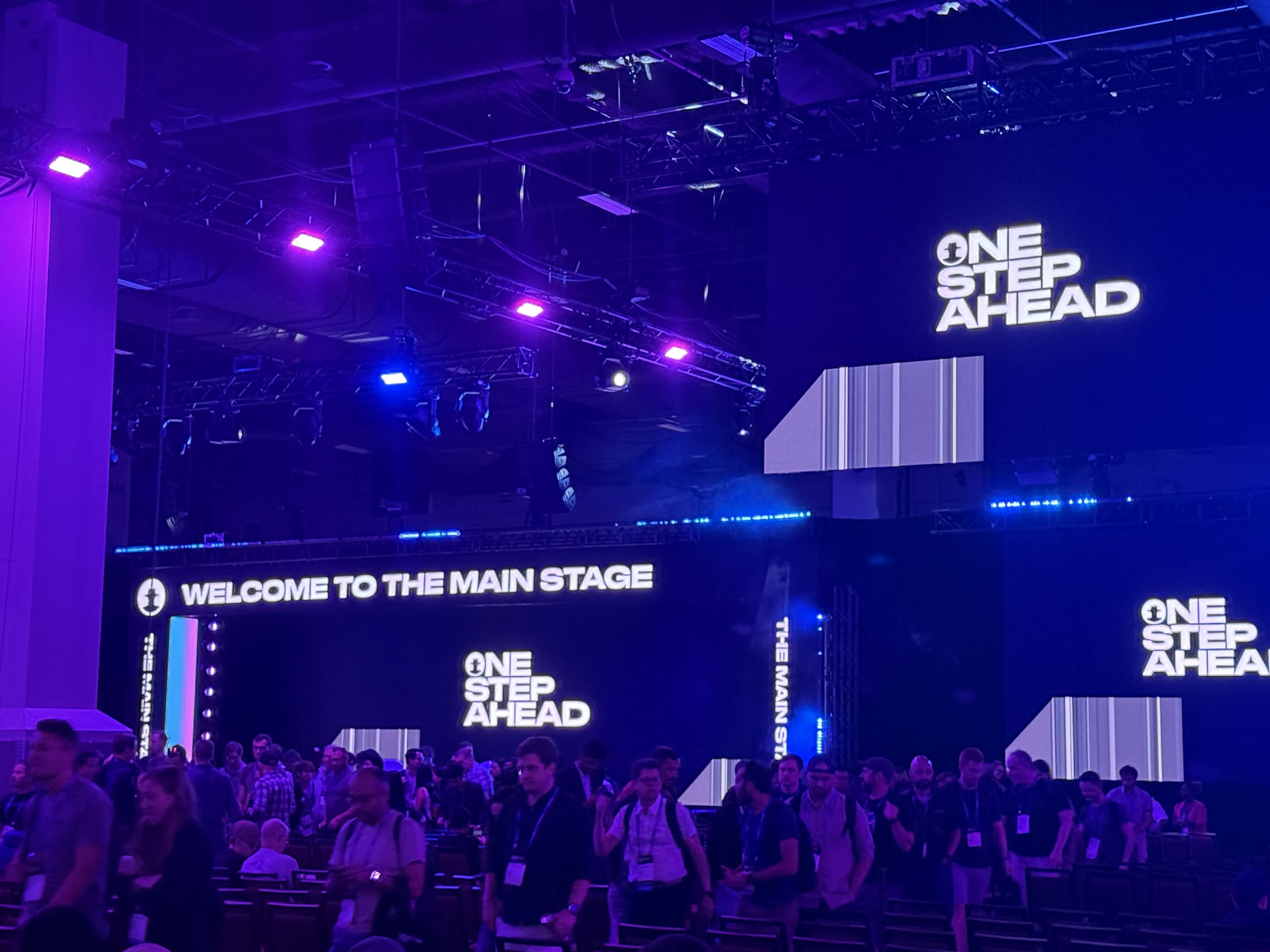
Taking my seat at the main stage on day one of Black Hat USA 2026, I was fully expecting the conversation to be dominated by AI - the opening session was entitled “Cyber power in the age of AI” after all - but it wasn’t. It was much more about collaboration.
FBI Assistant Director, Brett Leatherman, described the bureau's “No Safe Harbor" approach, explaining that infrastructure takedowns and other operations increasingly rely on intelligence and support from the cybersecurity industry. CISA Acting Director, Nick Andersen, reinforced the same theme, arguing that security leaders need to prioritise rather than chase the impossible goal of protecting everything, everywhere, all at once.
For cybersecurity marketers, that's more than a policy discussion. It's a sign that the way vendors communicate needs to evolve, in line with what buyers will begin to lean towards.
The end of "we stop everything"
For years, cybersecurity comms and marketing has fallen into two camps: fear-driven messaging or feature-heavy product marketing. Different styles, same promise: the threat is getting worse, and our platform will solve it. That message doesn't land like it used to.
Enterprise buyers now know there is no silver bullet, especially now AI is accelerating both attack and defence. Claims of "complete protection" or "impenetrable security" don't build confidence. They just sound like every other vendor.
The companies standing out are the ones willing to acknowledge reality. Security is complicated. Risk can't be eliminated. Trade-offs have to be made. Ironically, admitting fallibility often makes a business more credible, not less.
Shifting the narrative
Rather than focusing almost entirely on product capabilities, communications teams should spend more time showing how their organisations contribute to the wider security community.
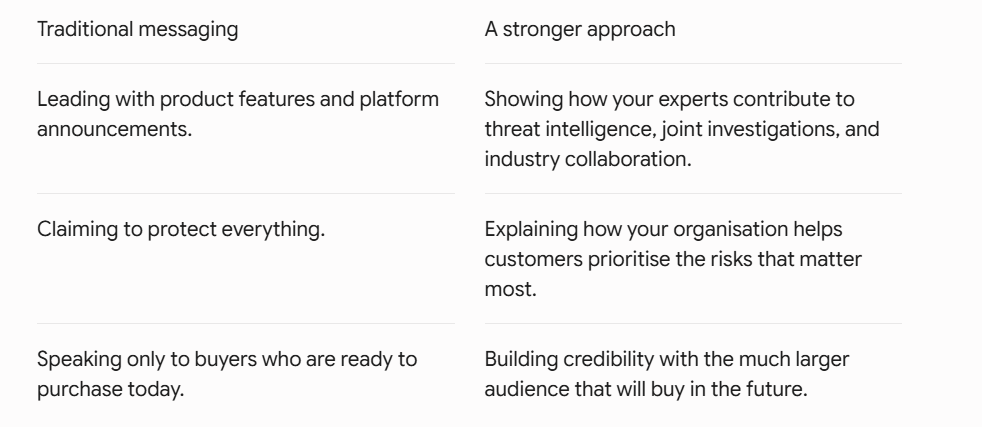
A few practical ways to make that shift:
- Talk about collaboration as much as innovation. If your researchers contribute to open-source projects, threat-sharing initiatives, or joint investigations, that's often a stronger proof point than another product launch. It demonstrates that your expertise has value beyond your own products.
- Be honest about trade-offs. Andersen's point about prioritisation applies just as much to communications. Buyers trust organisations that speak openly about risk, exploitability, and the realities of modern security, rather than making sweeping claims and fix-all promises.
- Make your ecosystem role part of your brand story. As governments increasingly rely on industry intelligence to disrupt cybercriminals, participating in that ecosystem isn't just operationally important; it's a communications advantage. Those partnerships shouldn't be buried in a press release. They should be part of how you define your company.
- Highlight people, not just products. While much of the industry focuses on what its technology can do, Assistant Secretary of War for Cyber Policy, Katie Sutton, reminded the audience that people remain the most important part of cyber defence. Instead of leading with platform features, organisations should put more emphasis on the expertise, judgement and experience of the people behind them.
Trust beats fear
The brands that earn attention over time won't necessarily be the ones making the boldest claims. They'll be the ones consistently contributing to the industry, sharing useful intelligence, and working alongside customers, peers, and public agencies. That's what builds credibility.
And when the next major cyber incident happens, credibility is what determines who journalists call, whose analysis customers trust, and which vendors become part of the conversation.
At Babel, we help technology companies turn technical expertise into distinctive B2B PR and marketing campaigns that build reputation and long-term demand. If your cybersecurity messaging still relies on old promises of being bigger, faster, or more comprehensive than everyone else, it may be time to tell a more believable story.


.png)